
Dental Crowns for Tooth Restoration
Dental crowns are a treatment option for teeth that have been severely damaged or decayed above the gum line. They are also an option post-root canal therapy to protect the natural root of the tooth and offer security, strength, and stability. Dental crowns are not usually recommended for minor fractures and chips. Instead, they are reserved for more severe damage from trauma or decay. As with veneers, dental crowns can be fabricated to look like natural teeth and fit perfectly with the existing smile of the patient. Patients love the appearance, security, and functionality of dental crowns.
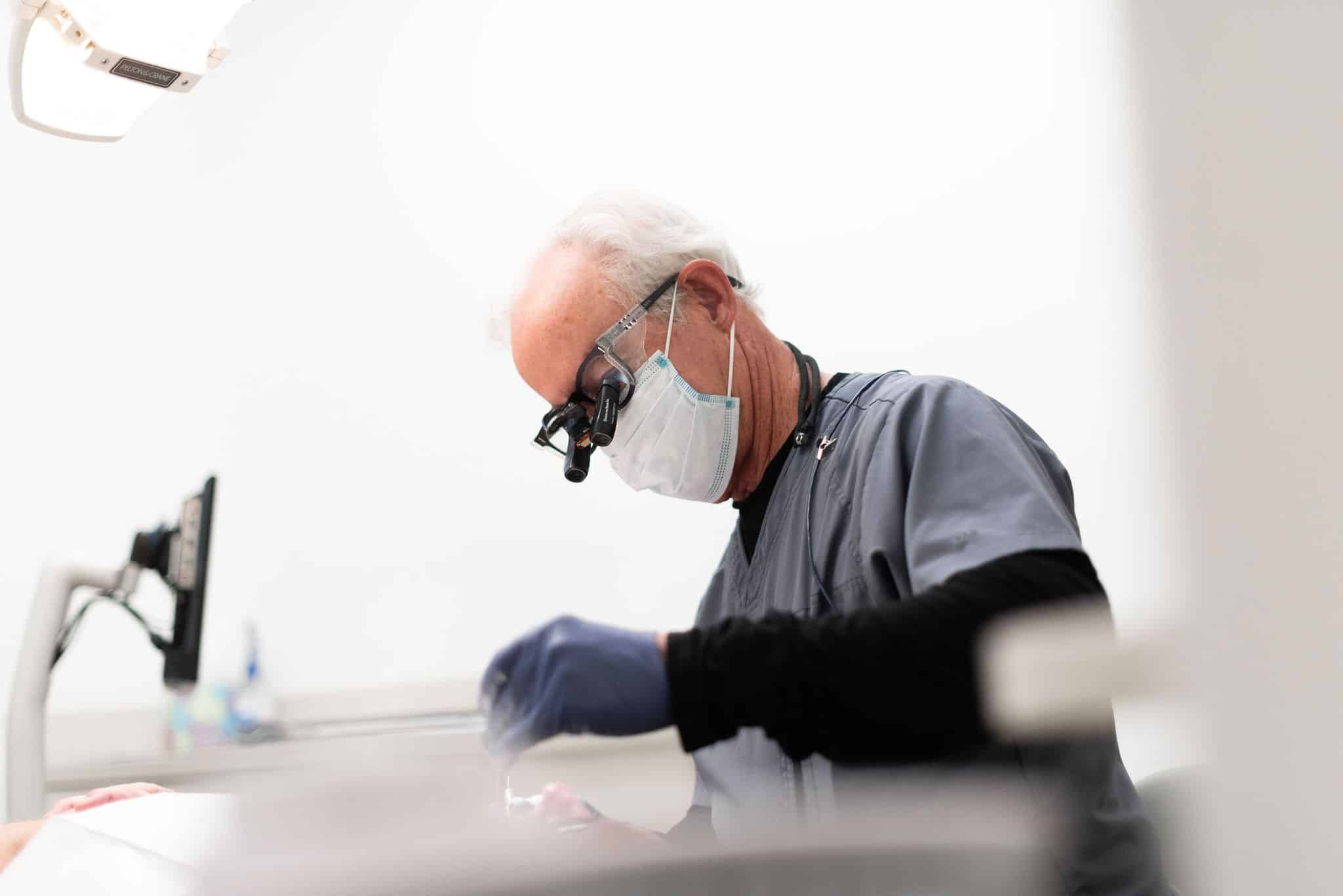
Dental Crown Procedure
Once you have had your consultation appointment and you and the dentist have decided that a dental crown is the best treatment plan for you and your smile, then the dentist will take X-rays of the tooth or teeth you would like to address. The dentist needs to confirm that there is no damage below the gum line, as crowns only address the tooth above the gum line.
Once the dentist determines that the damage can be properly addressed by the crown, the dentist will remove the decay from the tooth. The tooth will then be reshaped to be prepared for the crown and for the crown to fit correctly. After this, the dentist will take an impression of the tooth to send to the lab. The lab will create a custom crown for you and your specific tooth in the material and color that best meets your needs. The lab will need time to finish this process. In the meantime, the dentist may put a temporary acrylic crown in place to help protect your tooth and prevent any further damage.
After the lab completes your crown, the dentist will have you make a final appointment to remove the temporary crown and to set the permanent one in place. In order to ensure you are comfortable and ready to walk out with your new smile, the dentist may use some anesthesia. After you and the dentist confirm the crown is the correct color, fits your tooth properly, and works with your bite, the dentist will use a cement to permanently bond your crown to your remaining natural tooth.
Dental Crown Benefits
Depending on your specific needs, dental crowns may be the best option for you over porcelain veneers. Dental crowns and porcelain veneers differ in purpose, arrangement, and range of capabilities. While veneers are usually reserved for aesthetic improvements, dental crowns can offer more than just cosmetic changes to your smile. Unlike veneers that cover just the front of the tooth, dental crowns cover the whole surface of the tooth above the gum line, allowing the existing tooth to gain another protective layer and increased functionality. Finally, most crowns remain in place and work well for five to fifteen years, but when they are properly cared for, they can last up to thirty years.
Dental Crown Candidates
If your tooth has been damaged, or if you are feeling any pressure or pain, please set up an appointment with your dentist. It is important that you do not make the mistake of waiting until your next regularly scheduled appointment, because waiting too long increases the risk of infection in the tooth spreading, or damage to the tooth worsening. If your tooth is not damaged to the point where it needs to be replaced, your dentist may suggest a dental crown. The dental crown can help you talk, chew, and eat more easily day to day, and that can improve your overall health in the long term. Dental crowns are typically used to repair broken teeth or teeth that have been chipped, cracked, decayed, or damaged and are no longer able to function as they were before the problem.
Dental Crown Aftercare
Shortly after your dental crown is placed, you may find that your tooth and gums are more sensitive than they were before the dental crown. This increased sensitivity should fade over time, but if you find that the pain is too severe or it is not subsiding, be sure to follow up with your dentist to make sure that infection or other issues are not slowing down your healing process. During the days and weeks following the more invasive appointments, eating softer foods will keep you comfortable. Once the healing process takes hold, you can gradually include harder and more abrasive foods. Once your dentist has completed work on your dental crown and you are fully healed with your new crown in place, you need to treat your dental crown like your natural teeth.
Dental Crown Costs
Costs for each procedure vary depending on how long the procedure takes, what materials the procedure requires, how many visits the procedure requires, and the amount of work the dentist is required to do. It may surprise you to know, but dental insurance may cover some of the costs for these, as well as elective procedures, as they lead to improved overall dental health and long-term benefits. If you do not have dental insurance coverage or you have any questions about payment options for your treatment plan, you are more than welcome to talk to our staff at any time. Your budget’s health is just as important as your mouth’s health.

High-Quality Care Provided by a Team You Can Trust
At Edgerton & Glenn Cosmetic and General Dentistry, it is our goal to build lifelong relationships with our patients centered around trust. It is our mission to help you to achieve and maintain optimal oral health. Please contact us to set up an appointment for a dental crown at (910) 256-9230.
More Information About :
- All on Four Dental Implants
- CEREC Crowns
- Cosmetic Dentistry
- Deep Teeth Cleaning
- Dental Bonding
- Dental Bridges
- Dental Crowns
- Dental Exams
- Dental Implants
- Dentists in Wilmington
- Dentures
- Family Dentistry
- Full Mouth Reconstruction
- Gum Disease
- Gummy Smile
- Implant Supported Dentures
- Inlay & Onlays
- Invisalign
- Laser Dentistry
- Mouth Guards
- Porcelain Veneers
- Root Canals
- Sleep Apnea
- Teeth Whitening
- TMJ Therapy
- Tooth Extractions
- Tooth Fillings